
Small Public Universities: The 116 Best for 2027
The best small public universities for 2027 are the U. S. Merchant Marine Academy, Cal Poly Maritime Academy and New Mexico Tech, followed by The Citadel and Rutgers University-Camden.
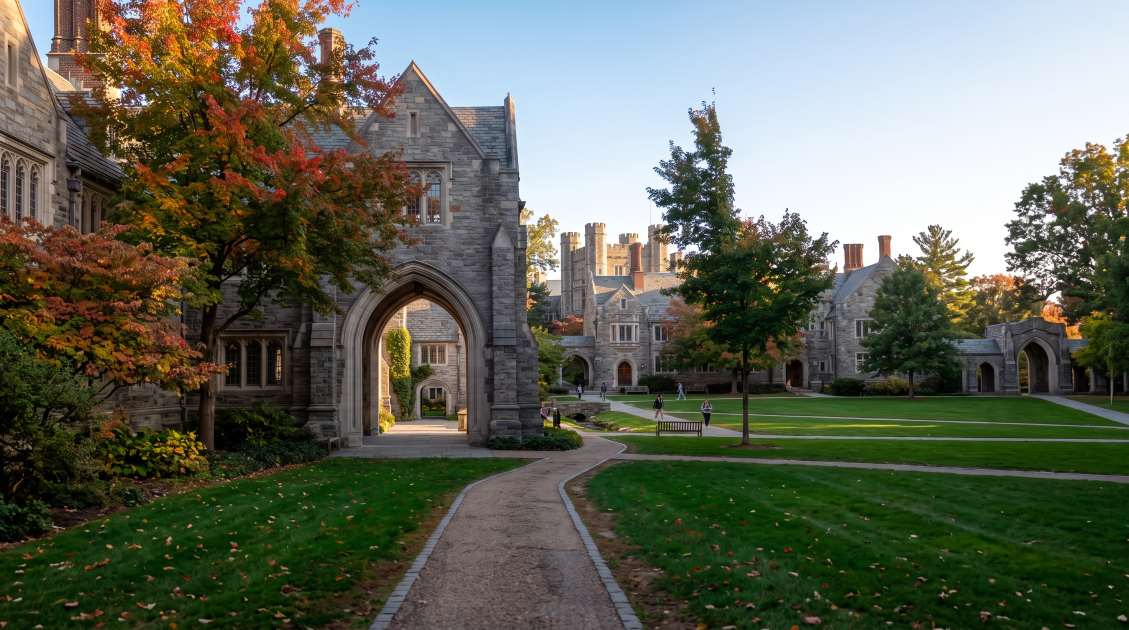
If you want a campus where professors know your name without a private-college bill, small public universities, sometimes called small public colleges, are worth a close look.
This guide will help you compare small public universities to each other. You’ll see how many students graduate each year, what families pay after aid, and the one thing each school offers that the others do not. Below, you’ll find a ranked table of all 116 schools and a profile of each. You’ll also see how Waystone built the ranking from federal College Scorecard and IPEDS data.
Key Takeaways
- The U. S. Merchant Marine Academy, Cal Poly Maritime Academy and New Mexico Tech lead Waystone’s 2027 small public universities ranking, followed by The Citadel and Rutgers University-Camden.
- Bachelor’s graduates per year range from 30 at Ohio University Lancaster to 1,366 at the University of Washington Tacoma, not counting four UConn campuses that have no separate count.
- Average net price ranges from $1,516 a year at the Merchant Marine Academy to $23,821 at the University of Mary Washington.
- But small doesn’t always mean small classes. Nine schools rank in the bottom 10% of the pool for student-faculty ratio, including three UConn campuses, four University of Puerto Rico campuses, Dalton State and the University of Maine at Fort Kent.
Want to compare majors across these schools? Search a major on Waystone's College Finder to see completion rates, median earnings and ROI at every school that offers it. When you're ready, build your profile to see how these schools fit you.
Small public universities at a glance
Maritime academies and military colleges fill the top of the ranking, and Penn State campuses fill much of the middle. First, the table shows all 116 schools side by side. Enrollment, acceptance rates, net prices and graduate counts come from the Department of Education’s College Scorecard, checked in November 2026.
Bachelor’s degrees per year adds up the degrees awarded across programs in the latest year, so it can miss programs too small to report. Net price is what a family pays after grants and scholarships.
| Rank | School | State | Undergrads | Bachelor’s degrees per year | Acceptance rate | Avg. net price |
|---|---|---|---|---|---|---|
| 1 | U. S. Merchant Marine Academy | NY | 962 | 221 | 34.2% | $1,516 |
| 2 | Cal Poly Maritime Academy | CA | 804 | 224 | 95.0% | $17,793 |
| 3 | New Mexico Institute of Mining and Technology (New Mexico Tech) | NM | 995 | 202 | 44.5% | $20,862 |
| 4 | The Citadel | SC | 2,705 | 601 | 22.7% | $22,019 |
| 5 | Rutgers University-Camden | NJ | 3,753 | 1,095 | 66.3% | $15,732 |
| 6 | SUNY College of Environmental Science and Forestry (ESF) | NY | 1,839 | 424 | 63.3% | $18,375 |
| 7 | Florida Polytechnic University | FL | 1,689 | 269 | 57.5% | $11,278 |
| 8 | University of Washington Tacoma | WA | 4,185 | 1,366 | 82.5% | $11,900 |
| 9 | Maine Maritime Academy | ME | 942 | 192 | 54.1% | $21,078 |
| 10 | St. Mary’s College of Maryland | MD | 1,603 | 396 | 68.6% | $20,956 |
| 11 | Virginia Military Institute | VA | 1,527 | 403 | 71.2% | $15,585 |
| 12 | University of Minnesota Rochester | MN | 568 | 154 | 71.0% | $13,319 |
| 13 | Penn State Greater Allegheny | PA | 349 | 56 | 96.5% | $14,194 |
| 14 | New Mexico Highlands University | NM | 1,451 | 401 | Not reported | $18,315 |
| 15 | Penn State Erie, The Behrend College | PA | 3,240 | 645 | 96.8% | $23,165 |
| 16 | Mississippi University for Women | MS | 1,605 | 639 | 90.3% | $11,452 |
| 17 | SUNY Maritime College | NY | 1,285 | 341 | 72.4% | $22,888 |
| 18 | UConn Stamford | CT | 2,432 | Not reported separately | 83.0% | $14,226 |
| 19 | Penn State Lehigh Valley | PA | 859 | 118 | 97.4% | $12,029 |
| 20 | Penn State Hazleton | PA | 501 | 62 | 96.4% | $14,209 |
| 21 | Northeastern Illinois University | IL | 3,982 | 875 | 74.6% | $9,377 |
| 22 | CUNY York College | NY | 4,345 | 935 | 64.1% | $1,956 |
| 23 | Penn State Altoona | PA | 2,367 | 278 | 98.1% | $21,714 |
| 24 | Penn State Beaver | PA | 482 | 74 | 95.7% | $16,063 |
| 25 | UConn Avery Point | CT | 454 | Not reported separately | 88.2% | $11,184 |
| 26 | Penn State Berks | PA | 1,872 | 297 | 98.7% | $19,570 |
| 27 | Penn State Harrisburg | PA | 4,031 | 600 | 97.6% | $16,753 |
| 28 | Penn State Scranton | PA | 793 | 125 | 98.5% | $12,204 |
| 29 | Penn State Abington | PA | 2,877 | 460 | 96.8% | $14,429 |
| 30 | Penn State Schuylkill | PA | 620 | 78 | 96.6% | $15,199 |
| 31 | University of Minnesota Morris | MN | 936 | 236 | 74.9% | $10,989 |
| 32 | Massachusetts Maritime Academy | MA | 1,395 | 301 | 94.7% | $23,759 |
| 33 | University of Mary Washington | VA | 3,566 | 907 | 79.8% | $23,821 |
| 34 | University of New Hampshire at Manchester | NH | 443 | 162 | 80.9% | $13,247 |
| 35 | University of Puerto Rico at Cayey | PR | 2,069 | 354 | 53.0% | $10,880 |
| 36 | SUNY Polytechnic Institute | NY | 1,849 | 458 | 81.3% | $12,893 |
| 37 | UConn Hartford | CT | 1,525 | Not reported separately | 88.3% | $13,961 |
| 38 | UConn Waterbury | CT | 733 | Not reported separately | 86.7% | $8,616 |
| 39 | University of Puerto Rico at Humacao | PR | 2,529 | 343 | 54.8% | $12,577 |
| 40 | Ramapo College of New Jersey | NJ | 4,898 | 1,127 | 70.6% | $16,382 |
| 41 | Texas A&M University-Central Texas | TX | 1,750 | 550 | 100.0% | $4,107 |
| 42 | University of Southern Maine | ME | 4,222 | 1,061 | 79.2% | $14,927 |
| 43 | University of Illinois Springfield | IL | 2,263 | 597 | 85.9% | $7,528 |
| 44 | SUNY College at Geneseo | NY | 3,869 | 978 | 66.5% | $18,952 |
| 45 | University of Hawaii West Oahu | HI | 2,519 | 610 | 95.3% | $8,144 |
| 46 | University of Puerto Rico at Arecibo | PR | 2,669 | 436 | 59.2% | $13,088 |
| 47 | University of Nebraska at Kearney | NE | 4,088 | 907 | 89.5% | $17,891 |
| 48 | Valley City State University | ND | 958 | 249 | 99.1% | $13,748 |
| 49 | University of Maine at Fort Kent | ME | 599 | 192 | 97.9% | $11,167 |
| 50 | Vermont State University | VT | 3,590 | 736 | 81.7% | $22,358 |
| 51 | Penn State Brandywine | PA | 1,223 | 126 | 98.1% | $18,053 |
| 52 | Truman State University | MO | 2,513 | 731 | 83.8% | $12,317 |
| 53 | SUNY Oneonta | NY | 4,643 | 1,289 | 69.6% | $18,369 |
| 54 | CUNY Medgar Evers College | NY | 3,233 | 367 | 86.1% | $3,245 |
| 55 | Oregon Institute of Technology | OR | 2,892 | 659 | 95.0% | $17,499 |
| 56 | Christopher Newport University | VA | 4,365 | 1,111 | 86.0% | $22,310 |
| 57 | Montana Technological University | MT | 1,480 | 295 | 91.0% | $17,205 |
| 58 | Salem State University | MA | 4,291 | 1,085 | 95.9% | $12,921 |
| 59 | Governors State University | IL | 2,556 | 566 | 48.3% | $15,833 |
| 60 | Worcester State University | MA | 3,930 | 898 | 88.0% | $13,866 |
| 61 | University of Minnesota Crookston | MN | 1,729 | 369 | 87.9% | $11,170 |
| 62 | University of Puerto Rico at Carolina | PR | 2,404 | 304 | 54.5% | $12,472 |
| 63 | Oregon State University-Cascades | OR | 1,044 | 252 | 63.1% | $17,853 |
| 64 | South Dakota School of Mines and Technology | SD | 2,071 | 357 | 79.9% | $20,827 |
| 65 | Texas A&M University-Victoria | TX | 2,513 | 766 | 95.9% | $8,115 |
| 66 | Western Connecticut State University | CT | 3,511 | 777 | 87.0% | $16,754 |
| 67 | University of Puerto Rico at Bayamon | PR | 2,851 | 331 | 35.3% | $9,644 |
| 68 | Western Oregon University | OR | 3,103 | 808 | 98.1% | $17,140 |
| 69 | Frostburg State University | MD | 2,909 | 844 | 89.2% | $16,768 |
| 70 | Mayville State University | ND | 733 | 195 | Not reported | $13,637 |
| 71 | Sul Ross State University | TX | 1,396 | 305 | 98.7% | $16,255 |
| 72 | Nevada State University | NV | 3,762 | 826 | 86.8% | $14,262 |
| 73 | University of Virginia’s College at Wise | VA | 1,101 | 234 | 28.5% | $5,869 |
| 74 | University of Puerto Rico at Ponce | PR | 2,278 | 274 | 52.4% | $10,710 |
| 75 | Dickinson State University | ND | 1,090 | 256 | 37.0% | $14,076 |
| 76 | Pitt-Bradford | PA | 995 | 182 | 88.5% | $13,598 |
| 77 | Minnesota State University Moorhead | MN | 3,072 | 910 | 58.8% | $17,601 |
| 78 | University of Baltimore | MD | 1,133 | 340 | 78.7% | $6,270 |
| 79 | SUNY Old Westbury | NY | 4,162 | 872 | 83.6% | $8,991 |
| 80 | Eastern Connecticut State University | CT | 3,418 | 841 | 83.0% | $20,502 |
| 81 | Pitt-Greensburg | PA | 1,305 | 215 | 95.2% | $17,075 |
| 82 | SUNY Plattsburgh | NY | 3,769 | 1,008 | 78.4% | $15,606 |
| 83 | Pittsburg State University | KS | 4,210 | 1,051 | 89.4% | $14,291 |
| 84 | Pitt-Johnstown | PA | 1,808 | 405 | 94.8% | $16,375 |
| 85 | Eastern Oregon University | OR | 2,172 | 606 | 98.3% | $15,665 |
| 86 | University of Alaska Fairbanks | AK | 4,207 | 461 | Not reported | $7,570 |
| 87 | Emporia State University | KS | 2,239 | 652 | 97.7% | $14,364 |
| 88 | Oklahoma Panhandle State University | OK | 917 | 276 | Not reported | $8,380 |
| 89 | Washburn University | KS | 4,562 | 752 | Not reported | $11,023 |
| 90 | Texas A&M University-Texarkana | TX | 1,982 | 371 | 63.5% | $16,934 |
| 91 | University of Puerto Rico at Aguadilla | PR | 1,883 | 213 | 81.4% | $7,564 |
| 92 | Minot State University | ND | 2,062 | 472 | 64.6% | $11,490 |
| 93 | University of North Texas at Dallas | TX | 2,878 | 728 | 84.5% | $12,111 |
| 94 | Keene State College | NH | 2,699 | 693 | 90.3% | $17,940 |
| 95 | Eastern Illinois University | IL | 4,188 | 1,140 | 65.3% | $12,717 |
| 96 | Indiana University East | IN | 2,589 | 627 | 67.2% | $9,117 |
| 97 | Framingham State University | MA | 2,566 | 539 | 83.6% | $15,951 |
| 98 | New College of Florida | FL | 843 | 130 | 73.2% | $8,222 |
| 99 | Miami University Middletown | OH | 837 | 131 | Not reported | $10,410 |
| 100 | Ohio University Lancaster | OH | 691 | 30 | Not reported | $6,593 |
| 101 | Longwood University | VA | 3,015 | 647 | 90.2% | $20,773 |
| 102 | University of Texas Permian Basin | TX | 3,911 | 894 | 94.9% | $5,070 |
| 103 | University of South Carolina-Upstate | SC | 4,038 | 1,022 | 67.3% | $15,680 |
| 104 | Montana State University-Northern | MT | 761 | 108 | Not reported | $14,686 |
| 105 | Coppin State University | MD | 1,844 | 298 | 45.8% | $12,632 |
| 106 | Northeastern State University | OK | 4,772 | 1,126 | 99.6% | $12,424 |
| 107 | Indiana University Kokomo | IN | 2,352 | 544 | 86.5% | $5,707 |
| 108 | Fitchburg State University | MA | 2,752 | 682 | 86.9% | $13,803 |
| 109 | Delta State University | MS | 1,620 | 435 | 100.0% | $12,677 |
| 110 | University of Arkansas at Little Rock | AR | 4,949 | 941 | 58.8% | $16,882 |
| 111 | Dalton State College | GA | 4,553 | 548 | Not reported | $2,353 |
| 112 | University of North Carolina Asheville | NC | 2,910 | 700 | 91.9% | $14,999 |
| 113 | Ohio State University Lima | OH | 621 | 82 | Not reported | $12,326 |
| 114 | Southwestern Oklahoma State University | OK | 3,514 | 881 | Not reported | $15,278 |
| 115 | Plymouth State University | NH | 3,153 | 695 | 87.5% | $19,530 |
| 116 | SUNY College at Potsdam | NY | 1,823 | 500 | 77.7% | $13,628 |
How did we classify a small public university
A small public university, in this ranking, is a state-run, four-year school with fewer than 5,000 undergraduates that mainly awards bachelor’s degrees.
Four kinds of schools appear on the list. Maritime academies and military colleges, such as the Merchant Marine Academy and The Citadel, train students for licensed or uniformed careers. Public liberal arts colleges, such as St. Mary’s College of Maryland, offer a small-college feel.
Branch campuses, such as those of Penn State, UConn and Pitt, let you start close to home under a larger university’s name. Finally, regional state universities, such as Frostburg State and Emporia State, serve their home regions with a broad set of majors.
How we ranked the best small public universities
Waystone’s holistic methodology includes these inputs that build each school’s composite score:
The four scores and what they count
- Debt payoff score: how well a graduate’s pay covers what they owe, compared with other schools that offer accounting.
- 10-year ROI score: what a degree gives back after ten years compared with its cost, ranked against schools nationwide.
- School strength: the average of four things. They are how many first-year students return, how many students there are per teacher, how well students from lower-income families finish compared with all students, and how much the library spends per student.
Graduation rate is not a scored input, but it breaks ties, followed by Debt Payoff Score. The earnings baseline comes from Bureau of Labor Statistics data on workers with only a high school diploma.
Important Note: ROI calculations use in-state tuition data for public institutions as that is the only data the Department of Education tracks. This means out of state students may have a lower ROI value for those Universities.
Why many schools share the same payoff score
All 12 Penn State campuses show a payoff percentile of 56.1, the four UConn campuses all show 74.8, and the three Pitt regional campuses all show 56.5. That pattern points to federal debt and earnings figures reported for the university as a whole, not for each campus. As a result, campus scores differ mainly because of institutional strength, so don’t read a Penn State branch’s payoff score as proof of that campus’s own results.
What this ranking leaves out
But not every state appears on this list. Thirty-five states and Puerto Rico have at least one school here, but 15 states and Washington, D.C. have none. If your state is missing, you can still find schools near you. Search by your state on Waystone’s College Finder to compare completion rates, median earnings and ROI at every school that offers it.
The 44 best small public universities

Midshipmen spend about a year at sea on working ships, then sit for a Coast Guard officer license. So it’s a good fit for students who want a maritime career and are comfortable spending much of their degree away from campus. About 78% of students finish within six years, and median earnings six years after enrolling are $92,474.
Score breakdown
- Payoff percentile
- 100.0
- 10-year ROI percentile
- 100.0
- Institutional Strength
- 73.7
- Retention percentile
- 94.3
- Student-faculty percentile
- 66.2
- Pell equity percentile
- 38.2
- Library percentile
- 95.8

The West Coast’s only degree-granting maritime academy, now part of Cal Poly. So it’s a good fit for students who want a licensed maritime career on the Pacific coast. The six-year graduation rate is 58%, and median earnings six years after enrolling are $92,963.
Score breakdown
- Payoff percentile
- 82.4
- 10-year ROI percentile
- 100.0
- Institutional Strength
- 81.3
- Retention percentile
- 76.9
- Student-faculty percentile
- 86.1
- Pell equity percentile
- 81.4
- Library percentile
- 80.6

The school runs a mountaintop lightning lab at 10,630 feet and a large explosives research division. So it’s a good fit for students who want hands-on science and engineering research in a small STEM community. About 55% of students finish within six years, and median earnings six years after enrolling are $63,617.
Score breakdown
- Payoff percentile
- 73.0
- 10-year ROI percentile
- 98.9
- Institutional Strength
- 87.9
- Retention percentile
- 74.8
- Student-faculty percentile
- 95.1
- Pell equity percentile
- 82.3
- Library percentile
- 99.3

Cadets aren’t required to serve, yet about one-third of each class earns a military commission. So it’s a good fit for students who want a structured campus and the choice to serve in the military. The six-year graduation rate is 79%, and median earnings six years after enrolling are $64,571.
Score breakdown
- Payoff percentile
- 72.9
- 10-year ROI percentile
- 99.7
- Institutional Strength
- 85.2
- Retention percentile
- 96.4
- Student-faculty percentile
- 86.1
- Pell equity percentile
- 87.0
- Library percentile
- 71.3

An invitation-only Honors College, founded in 1997, plus combined paths to master’s and law degrees. So it’s a good fit for students who want a state university name, an honors option and a city setting. About 61% of students finish within six years, and median earnings six years after enrolling are $65,405.
Score breakdown
- Payoff percentile
- 72.8
- 10-year ROI percentile
- 100.0
- Institutional Strength
- 81.5
- Retention percentile
- 85.6
- Student-faculty percentile
- 78.5
- Pell equity percentile
- 65.2
- Library percentile
- 96.8

Students use Syracuse University classes and facilities, with required SU courses at no extra cost. So it’s a good fit for students who want environmental science at a small college with a large university next door. The six-year graduation rate is 72%, and median earnings six years after enrolling are $51,172.
Score breakdown
- Payoff percentile
- 93.8
- 10-year ROI percentile
- 96.0
- Institutional Strength
- 63.1
- Retention percentile
- 98.1
- Student-faculty percentile
- 53.2
- Pell equity percentile
- 28.0
- Library percentile
- 73.3

Florida’s first and only all-STEM public university, created by the state in 2012. So it’s a good fit for students who already know they want engineering or computing. About 58% of students finish within six years, and median earnings six years after enrolling are $66,416.
Score breakdown
- Payoff percentile
- 100.0
- 10-year ROI percentile
- 100.0
- Institutional Strength
- 51.0
- Retention percentile
- 62.9
- Student-faculty percentile
- 24.9
- Pell equity percentile
- 77.1
- Library percentile
- 39.0

More than half of undergraduates are the first in their families to pursue a four-year degree. So it’s a good fit for students who want a University of Washington degree in a mid-size city close to home. The six-year graduation rate is 60%, and median earnings six years after enrolling are $67,082.
Score breakdown
- Payoff percentile
- 93.0
- 10-year ROI percentile
- 100.0
- Institutional Strength
- 58.0
- Retention percentile
- 85.0
- Student-faculty percentile
- 42.2
- Pell equity percentile
- 57.9
- Library percentile
- 46.8

Licensed majors pair a military-style Regiment with required training cruises at sea. So it’s a good fit for students who want a hands-on maritime degree and a choice about how structured campus life will be. About 58% of students finish within six years, and median earnings six years after enrolling are $95,699.
Score breakdown
- Payoff percentile
- 83.6
- 10-year ROI percentile
- 100.0
- Institutional Strength
- 63.6
- Retention percentile
- 89.2
- Student-faculty percentile
- 90.9
- Pell equity percentile
- 23.7
- Library percentile
- 50.7

Maryland’s designated public honors college, with a sailing team that has won 17 national titles. So it’s a good fit for students who want a liberal arts campus on the water. The six-year graduation rate is 65%, and median earnings six years after enrolling are $50,772.
Score breakdown
- Payoff percentile
- 64.2
- 10-year ROI percentile
- 97.3
- Institutional Strength
- 86.2
- Retention percentile
- 96.0
- Student-faculty percentile
- 90.9
- Pell equity percentile
- 74.1
- Library percentile
- 83.6

Every cadet studies military science and tactics, a requirement since the first cadets arrived in 1839. So it’s a good fit for students who want a military college in a small Virginia town. About 72% of students finish within six years, and median earnings six years after enrolling are $64,945.
Score breakdown
- Payoff percentile
- 71.0
- 10-year ROI percentile
- 100.0
- Institutional Strength
- 74.0
- Retention percentile
- 87.5
- Student-faculty percentile
- 95.1
- Pell equity percentile
- 28.8
- Library percentile
- 84.6

A health sciences degree with a Physician Assistant partnership and Mayo Clinic health professions tracks. So it’s a good fit for students who already know they want a health career. The six-year graduation rate is 61%, and median earnings six years after enrolling are $61,634.
Score breakdown
- Payoff percentile
- 75.3
- 10-year ROI percentile
- 100.0
- Institutional Strength
- 69.4
- Retention percentile
- 47.2
- Student-faculty percentile
- 66.2
- Pell equity percentile
- 94.7
- Library percentile
- Not reported

The only Penn State campus with an accredited Bachelor of Social Work. So it’s a good fit for students who want a very small Penn State campus, or a social work or cybersecurity degree. About 26% of students finish within six years, and median earnings six years after enrolling, reported for all of Penn State, are $60,829.
Score breakdown
- Payoff percentile
- 56.1
- 10-year ROI percentile
- 98.7
- Institutional Strength
- 90.2
- Retention percentile
- 79.4
- Student-faculty percentile
- 95.1
- Pell equity percentile
- 95.9
- Library percentile
- Not reported

Its School of Social Work won the state’s largest social work funding allocation for fiscal 2026. So it’s a good fit for students who want to study social work or teaching in northern New Mexico. The six-year graduation rate is 30%, and median earnings six years after enrolling are $44,612.
Score breakdown
- Payoff percentile
- 82.7
- 10-year ROI percentile
- 91.8
- Institutional Strength
- 68.3
- Retention percentile
- 1.9
- Student-faculty percentile
- 90.9
- Pell equity percentile
- 86.1
- Library percentile
- 94.4
The Penn State system’s only plastics degree, taught in what the school calls the country’s largest undergraduate plastics lab. So it’s a good fit for students who want engineering technology and a business school on one campus. About 47% of students finish within six years, and median earnings six years after enrolling, reported for all of Penn State, are $60,829.
Score breakdown
- Payoff percentile
- 56.1
- 10-year ROI percentile
- 98.1
- Institutional Strength
- 87.4
- Retention percentile
- 90.9
- Student-faculty percentile
- 78.5
- Pell equity percentile
- 92.9
- Library percentile
- Not reported

The first state-supported college for women in America, admitting men since 1982. So it’s a good fit for students who aim at nursing or other health careers and want a small campus in Columbus, Mississippi. The six-year graduation rate is 53%, and median earnings six years after enrolling are $50,071.
Score breakdown
- Payoff percentile
- 78.8
- 10-year ROI percentile
- 95.0
- Institutional Strength
- 65.8
- Retention percentile
- 33.3
- Student-faculty percentile
- 90.9
- Pell equity percentile
- 48.9
- Library percentile
- 90.0

Its training ship, delivered in 2023, is billed as the nation’s first purpose-built maritime training ship. So it’s a good fit for students who aim for a deck or engine license in New York City. About 54% of students finish within six years, and median earnings six years after enrolling are $86,279.
Score breakdown
- Payoff percentile
- 85.1
- 10-year ROI percentile
- 100.0
- Institutional Strength
- 50.9
- Retention percentile
- 91.7
- Student-faculty percentile
- 42.2
- Pell equity percentile
- 38.7
- Library percentile
- 31.1

A downtown Stamford campus where students can finish about 15 majors on site. So it’s a good fit for students who want a UConn degree on a downtown campus, or plan to start at Stamford and finish at Storrs. The six-year graduation rate is 55%, and median earnings six years after enrolling, reported for all of UConn, are $64,750.
Score breakdown
- Payoff percentile
- 74.8
- 10-year ROI percentile
- 100.0
- Institutional Strength
- 61.0
- Retention percentile
- 88.8
- Student-faculty percentile
- 5.9
- Pell equity percentile
- 88.2
- Library percentile
- Not reported
A conservation biology program with field research in Bucharest, and organized crime courses in Rome and Palermo. So it’s a good fit for students who want global study built into a regional Penn State campus. About 18% of students finish within six years, and median earnings six years after enrolling, reported for all of Penn State, are $60,829.
Score breakdown
- Payoff percentile
- 56.1
- 10-year ROI percentile
- 98.5
- Institutional Strength
- 81.0
- Retention percentile
- 91.3
- Student-faculty percentile
- 53.2
- Pell equity percentile
- 98.5
- Library percentile
- Not reported
An engineering degree with an alternative energy and power generation track. So it’s a good fit for students who want engineering or energy options and a hands-on makerspace. The six-year graduation rate is 23%, and median earnings six years after enrolling, reported for all of Penn State, are $60,829.
Score breakdown
- Payoff percentile
- 56.1
- 10-year ROI percentile
- 98.5
- Institutional Strength
- 80.5
- Retention percentile
- 65.0
- Student-faculty percentile
- 78.5
- Pell equity percentile
- 98.1
- Library percentile
- Not reported

The Midwest’s longest-standing four-year public Hispanic-Serving Institution, with an El Centro site in Avondale. So it’s a good fit for students who want a Chicago public university with Hispanic-Serving roots, or a path into teaching. About 25% of students finish within six years, and median earnings six years after enrolling are $48,800.
Score breakdown
- Payoff percentile
- 75.8
- 10-year ROI percentile
- 93.7
- Institutional Strength
- 65.1
- Retention percentile
- 4.0
- Student-faculty percentile
- 95.1
- Pell equity percentile
- 84.4
- Library percentile
- 76.7

Home to the CUNY Aviation Institute, the first CUNY institute focused on aviation. So it’s a good fit for students who want a low-cost Queens campus, or a degree in aviation management. The six-year graduation rate is 27%, and median earnings six years after enrolling are $51,134.
Score breakdown
- Payoff percentile
- 92.0
- 10-year ROI percentile
- 89.4
- Institutional Strength
- 51.8
- Retention percentile
- 9.1
- Student-faculty percentile
- 66.2
- Pell equity percentile
- 90.0
- Library percentile
- 41.9
The nation’s first and only bachelor’s degree in rail transportation engineering, according to Penn State. So it’s a good fit for students who want to study rail transportation engineering or nursing close to home. About 16% of students finish within six years, and median earnings six years after enrolling, reported for all of Penn State, are $60,829.
Score breakdown
- Payoff percentile
- 56.1
- 10-year ROI percentile
- 98.2
- Institutional Strength
- 79.5
- Retention percentile
- 83.7
- Student-faculty percentile
- 66.2
- Pell equity percentile
- 88.7
- Library percentile
- Not reported
A neuropsychology lab and an engineering makerspace with a CNC router. So it’s a good fit for students who want a very small campus and the Penn State name. The six-year graduation rate is 25%, and median earnings six years after enrolling, reported for all of Penn State, are $60,829.
Score breakdown
- Payoff percentile
- 56.1
- 10-year ROI percentile
- 98.6
- Institutional Strength
- 79.1
- Retention percentile
- 67.2
- Student-faculty percentile
- 78.5
- Pell equity percentile
- 91.7
- Library percentile
- Not reported
An 82-acre waterfront campus where students can finish marine sciences and maritime studies degrees. So it’s a good fit for students who want marine sciences or maritime studies on the water. About 51% of students finish within six years, and median earnings six years after enrolling, reported for all of UConn, are $64,750.
Score breakdown
- Payoff percentile
- 74.8
- 10-year ROI percentile
- 100.0
- Institutional Strength
- 57.8
- Retention percentile
- 46.8
- Student-faculty percentile
- 66.2
- Pell equity percentile
- 60.5
- Library percentile
- Not reported
Hospitality management, cybersecurity and an ABET-accredited mechanical engineering degree in Reading. So it’s a good fit for students who want engineering and business options on a regional campus. The six-year graduation rate is 29%, and median earnings six years after enrolling, reported for all of Penn State, are $60,829.
Score breakdown
- Payoff percentile
- 56.1
- 10-year ROI percentile
- 98.2
- Institutional Strength
- 78.6
- Retention percentile
- 71.8
- Student-faculty percentile
- 66.2
- Pell equity percentile
- 97.6
- Library percentile
- Not reported
More than 40 bachelor’s programs can be finished on campus, near the state capital. So it’s a good fit for students who want a wide choice of majors near the state capital. About 27% of students finish within six years, and median earnings six years after enrolling, reported for all of Penn State, are $60,829.
Score breakdown
- Payoff percentile
- 56.1
- 10-year ROI percentile
- 98.2
- Institutional Strength
- 77.2
- Retention percentile
- 89.6
- Student-faculty percentile
- 42.2
- Pell equity percentile
- 99.8
- Library percentile
- Not reported
Home to both the Schreyer Honors College and a campus honors program, plus a new four-year mechanical engineering degree. So it’s a good fit for students who want an honors option and a nursing or engineering degree close to home. The six-year graduation rate is 31%, and median earnings six years after enrolling, reported for all of Penn State, are $60,829.
Score breakdown
- Payoff percentile
- 56.1
- 10-year ROI percentile
- 98.5
- Institutional Strength
- 76.5
- Retention percentile
- 83.3
- Student-faculty percentile
- 86.1
- Pell equity percentile
- 60.0
- Library percentile
- Not reported
Students can design their own interdisciplinary major, on the edge of Philadelphia. So it’s a good fit for students who want a Penn State campus near Philadelphia, or the chance to design their own major. About 22% of students finish within six years, and median earnings six years after enrolling, reported for all of Penn State, are $60,829.
Score breakdown
- Payoff percentile
- 56.1
- 10-year ROI percentile
- 98.5
- Institutional Strength
- 76.2
- Retention percentile
- 76.1
- Student-faculty percentile
- 53.2
- Pell equity percentile
- 99.4
- Library percentile
- Not reported
An accelerated bachelor’s and J.D. pathway on a very small campus. So it’s a good fit for students who want a small campus and a path toward law school. The six-year graduation rate is 32%, and median earnings six years after enrolling, reported for all of Penn State, are $60,829.
Score breakdown
- Payoff percentile
- 56.1
- 10-year ROI percentile
- 98.4
- Institutional Strength
- 76.0
- Retention percentile
- 80.7
- Student-faculty percentile
- 53.2
- Pell equity percentile
- 94.2
- Library percentile
- Not reported
Qualified American Indian students attend tuition-free, a policy tied to the campus’s boarding school history. So it’s a good fit for students who want a rural liberal arts campus, including American Indian students who qualify for tuition-free admission. About 58% of students finish within six years, and median earnings six years after enrolling are $47,830.
Score breakdown
- Payoff percentile
- 57.7
- 10-year ROI percentile
- 91.1
- Institutional Strength
- 81.6
- Retention percentile
- 60.6
- Student-faculty percentile
- 95.1
- Pell equity percentile
- 75.9
- Library percentile
- 94.9

Its training ship can train up to 600 cadets at sea during six-week sea terms. So it’s a good fit for students who want a licensed maritime career with several sea terms built in. The six-year graduation rate is 73%, and median earnings six years after enrolling are $88,415.
Score breakdown
- Payoff percentile
- 79.7
- 10-year ROI percentile
- 100.0
- Institutional Strength
- 50.1
- Retention percentile
- 97.2
- Student-faculty percentile
- 66.2
- Pell equity percentile
- 1.5
- Library percentile
- 35.5

One of the nation’s largest undergraduate historic preservation programs, with a historic estate run by the university. So it’s a good fit for students who want to study historic preservation or other liberal arts fields in Fredericksburg. About 65% of students finish within six years, and median earnings six years after enrolling are $53,452.
Score breakdown
- Payoff percentile
- 62.0
- 10-year ROI percentile
- 96.5
- Institutional Strength
- 71.0
- Retention percentile
- 93.9
- Student-faculty percentile
- 66.2
- Pell equity percentile
- 54.5
- Library percentile
- 69.4

A new computer engineering technology degree, launched in 2025, on a transfer-friendly campus. So it’s a good fit for students who want a computing or engineering technology degree on a small city campus. The six-year graduation rate is 63%, and median earnings six years after enrolling are $60,249.
Score breakdown
- Payoff percentile
- 47.6
- 10-year ROI percentile
- 98.4
- Institutional Strength
- 83.4
- Retention percentile
- 95.1
- Student-faculty percentile
- 98.1
- Pell equity percentile
- 57.1
- Library percentile
- Not reported

Its biology degree can be taken in a hybrid format, with more than half of courses at a distance. So it’s a good fit for students who want to study biology, including in a hybrid format, or build toward medicine or dentistry. About 42% of students finish within six years, and median earnings six years after enrolling are $23,774.
Score breakdown
- Payoff percentile
- 93.5
- 10-year ROI percentile
- 78.8
- Institutional Strength
- 55.3
- Retention percentile
- 68.0
- Student-faculty percentile
- 3.0
- Pell equity percentile
- 85.7
- Library percentile
- 64.5

The Marcy campus founded and manages the Computer Chip Commercialization Center. So it’s a good fit for students who want technology and nursing options in upstate New York. The six-year graduation rate is 56%, and median earnings six years after enrolling are $64,012.
Score breakdown
- Payoff percentile
- 82.5
- 10-year ROI percentile
- 100.0
- Institutional Strength
- 45.2
- Retention percentile
- 40.9
- Student-faculty percentile
- 66.2
- Pell equity percentile
- 52.4
- Library percentile
- 21.3
Classes meet in the 1920 Hartford Times Building, a Beaux-Arts landmark across from Travelers Tower. So it’s a good fit for students who want a city campus in downtown Hartford. About 66% of students finish within six years, and median earnings six years after enrolling, reported for all of UConn, are $64,750.
Score breakdown
- Payoff percentile
- 74.8
- 10-year ROI percentile
- 100.0
- Institutional Strength
- 52.8
- Retention percentile
- 92.6
- Student-faculty percentile
- 1.5
- Pell equity percentile
- 64.3
- Library percentile
- Not reported
A four-year nursing pathway that starts in Waterbury and finishes at Storrs, plus an urban and community studies major. So it’s a good fit for students who want a nursing pathway or an urban studies major close to home in Waterbury. The six-year graduation rate is 51%, and median earnings six years after enrolling, reported for all of UConn, are $64,750.
Score breakdown
- Payoff percentile
- 74.8
- 10-year ROI percentile
- 100.0
- Institutional Strength
- 51.7
- Retention percentile
- 78.2
- Student-faculty percentile
- 8.6
- Pell equity percentile
- 68.2
- Library percentile
- Not reported
Coastal marine biology, a degree its catalog calls unique in Puerto Rico. So it’s a good fit for students who want coastal marine biology or nursing in Puerto Rico. About 50% of students finish within six years, and median earnings six years after enrolling are $20,715.
Score breakdown
- Payoff percentile
- 85.8
- 10-year ROI percentile
- 81.6
- Institutional Strength
- 57.4
- Retention percentile
- 88.3
- Student-faculty percentile
- 53.2
- Pell equity percentile
- 84.8
- Library percentile
- 3.2

Students join one of five schools, including an AACSB-accredited business school with an international business major. So it’s a good fit for students who want a New Jersey college with an accredited business school and nursing. The six-year graduation rate is 68%, and median earnings six years after enrolling are $57,528.
Score breakdown
- Payoff percentile
- 66.2
- 10-year ROI percentile
- 97.9
- Institutional Strength
- 61.0
- Retention percentile
- 92.2
- Student-faculty percentile
- 24.9
- Pell equity percentile
- 63.0
- Library percentile
- 64.0

Offers only junior- and senior-level courses, and about 44% of students have a U.S. Army connection. So it’s a good fit for students who are transfer students, often military-connected, finishing a bachelor’s degree in Killeen. About 33% of students finish within six years, and median earnings six years after enrolling are $52,076.
Score breakdown
- Payoff percentile
- 72.6
- 10-year ROI percentile
- 90.9
- Institutional Strength
- 61.5
- Retention percentile
- Not reported
- Student-faculty percentile
- 32.5
- Pell equity percentile
- Not reported
- Library percentile
- 90.4

Home to the Muskie School of Public Service, Maine’s public policy school. So it’s a good fit for students who want a city campus in Maine, especially for nursing or public policy. The six-year graduation rate is 43%, and median earnings six years after enrolling are $50,121.
Score breakdown
- Payoff percentile
- 63.7
- 10-year ROI percentile
- 95.0
- Institutional Strength
- 65.7
- Retention percentile
- 61.7
- Student-faculty percentile
- 53.2
- Pell equity percentile
- 59.6
- Library percentile
- 88.5

Political science majors complete an internship, in Springfield, the Illinois capital. So it’s a good fit for students who want to study government and politics close to the state capitol. About 53% of students finish within six years, and median earnings six years after enrolling are $52,270.
Score breakdown
- Payoff percentile
- 64.0
- 10-year ROI percentile
- 94.4
- Institutional Strength
- 65.4
- Retention percentile
- 63.3
- Student-faculty percentile
- 66.2
- Pell equity percentile
- 39.5
- Library percentile
- 92.4

Says it is the only undergraduate SUNY college with a Phi Beta Kappa chapter, and calls itself New York’s Public Honors College. So it’s a good fit for students who want a selective public liberal arts college. The six-year graduation rate is 70%, and median earnings six years after enrolling are $55,093.
Score breakdown
- Payoff percentile
- 67.6
- 10-year ROI percentile
- 96.9
- Institutional Strength
- 58.7
- Retention percentile
- 97.7
- Student-faculty percentile
- 32.5
- Pell equity percentile
- 46.4
- Library percentile
- 58.1

A Native Hawaiian serving institution whose Kauluhaweo programs support students from the Waianae Coast. So it’s a good fit for students who want a Hawaii campus with Native Hawaiian student support programs. About 48% of students finish within six years, and median earnings six years after enrolling are $48,811.
Score breakdown
- Payoff percentile
- 76.9
- 10-year ROI percentile
- 92.7
- Institutional Strength
- 52.8
- Retention percentile
- 79.9
- Student-faculty percentile
- 24.9
- Pell equity percentile
- 92.1
- Library percentile
- 14.5

Its associate degree in nursing is listed among the programs unique in the University of Puerto Rico system. So it’s a good fit for students who want nursing or microbiology on Puerto Rico’s north coast. The six-year graduation rate is 52%, and median earnings six years after enrolling are $20,700.
Score breakdown
- Payoff percentile
- 93.3
- 10-year ROI percentile
- 78.4
- Institutional Strength
- 49.9
- Retention percentile
- 68.4
- Student-faculty percentile
- 12.4
- Pell equity percentile
- 83.5
- Library percentile
- 35.0

Says 79% of Nebraska’s PK-12 schools have UNK graduates teaching. So it’s a good fit for students who want business or teaching in central Nebraska. About 62% of students finish within six years, and median earnings six years after enrolling are $47,161.
Score breakdown
- Payoff percentile
- 55.9
- 10-year ROI percentile
- 93.9
- Institutional Strength
- 72.4
- Retention percentile
- 84.5
- Student-faculty percentile
- 53.2
- Pell equity percentile
- 67.7
- Library percentile
- 84.1

Gives laptops to all full-time on-campus students and says it became the state’s first laptop university in 1996. So it’s a good fit for students who want teaching or technology programs on a very small North Dakota campus. The six-year graduation rate is 50%, and median earnings six years after enrolling are $47,201.
Score breakdown
- Payoff percentile
- 57.0
- 10-year ROI percentile
- 94.1
- Institutional Strength
- 69.3
- Retention percentile
- 47.7
- Student-faculty percentile
- 78.5
- Pell equity percentile
- 95.1
- Library percentile
- 56.1

Founded in 1878 to train bilingual teachers, it houses one of two Acadian Archives in the nation. So it’s a good fit for students who want nursing or a bilingual, Franco-American campus in northern Maine. About 35% of students finish within six years, and median earnings six years after enrolling are $61,334.
Score breakdown
- Payoff percentile
- 76.5
- 10-year ROI percentile
- 100.0
- Institutional Strength
- 42.8
- Retention percentile
- 99.4
- Student-faculty percentile
- 5.9
- Pell equity percentile
- 21.2
- Library percentile
- 44.9

Formed from Castleton, Northern Vermont University and Vermont Technical College, with more than 105 programs on five campuses. So it’s a good fit for students who want veterinary technology, nursing or STEM programs in Vermont. The six-year graduation rate is 41%, and median earnings six years after enrolling are $48,028.
Score breakdown
- Payoff percentile
- 70.8
- 10-year ROI percentile
- 93.6
- Institutional Strength
- 54.8
- Retention percentile
- 35.4
- Student-faculty percentile
- 66.2
- Pell equity percentile
- 41.2
- Library percentile
- 76.2
Offers about 14 bachelor’s degrees on site, including communications with a digital journalism option. So it’s a good fit for students who want a Penn State campus near Philadelphia with communications and psychology. About 19% of students finish within six years, and median earnings six years after enrolling, reported for all of Penn State, are $60,829.
Score breakdown
- Payoff percentile
- 56.1
- 10-year ROI percentile
- 98.2
- Institutional Strength
- 64.9
- Retention percentile
- 55.3
- Student-faculty percentile
- 42.2
- Pell equity percentile
- 97.2
- Library percentile
- Not reported

Missouri’s statewide public liberal arts and sciences university, a role the state gave it in 1985. So it’s a good fit for students who want a selective public liberal arts education in Missouri. The six-year graduation rate is 74%, and median earnings six years after enrolling are $45,951.
Score breakdown
- Payoff percentile
- 51.3
- 10-year ROI percentile
- 93.4
- Institutional Strength
- 73.5
- Retention percentile
- 94.7
- Student-faculty percentile
- 78.5
- Pell equity percentile
- 25.4
- Library percentile
- 95.3

Runs a 2,600-acre Biological Field Station on Otsego Lake in Cooperstown. So it’s a good fit for students who want field-based biology or lake science, or a teaching degree. About 66% of students finish within six years, and median earnings six years after enrolling are $52,344.
Score breakdown
- Payoff percentile
- 64.8
- 10-year ROI percentile
- 96.5
- Institutional Strength
- 55.0
- Retention percentile
- 66.3
- Student-faculty percentile
- 66.2
- Pell equity percentile
- 54.1
- Library percentile
- 33.6

Hosts the Center for Black Literature, home of the National Black Writers Conference, and a Caribbean Research Center. So it’s a good fit for students who want a Brooklyn campus that centers Black and Caribbean communities. The six-year graduation rate is 19%, and median earnings six years after enrolling are $40,690.
Score breakdown
- Payoff percentile
- 82.7
- 10-year ROI percentile
- 81.7
- Institutional Strength
- 50.9
- Retention percentile
- 1.5
- Student-faculty percentile
- 66.2
- Pell equity percentile
- 92.5
- Library percentile
- 43.4

Heats its Klamath Falls campus with geothermal energy and says it launched the nation’s first renewable energy engineering degree. So it’s a good fit for students who want hands-on engineering or health technology degrees. About 46% of students finish within six years, and median earnings six years after enrolling are $75,286.
Score breakdown
- Payoff percentile
- 76.5
- 10-year ROI percentile
- 100.0
- Institutional Strength
- 37.6
- Retention percentile
- 39.6
- Student-faculty percentile
- 24.9
- Pell equity percentile
- 25.9
- Library percentile
- 60.0

Its President’s Leadership Program adds a leadership studies minor to any major. So it’s a good fit for students who want leadership training built into a liberal arts degree. The six-year graduation rate is 75%, and median earnings six years after enrolling are $56,970.
Score breakdown
- Payoff percentile
- 50.7
- 10-year ROI percentile
- 97.2
- Institutional Strength
- 66.4
- Retention percentile
- 87.9
- Student-faculty percentile
- 66.2
- Pell equity percentile
- 51.1
- Library percentile
- 60.5

Teaches mining engineering in an on-campus underground mine the school says is the only one of its kind in the country. So it’s a good fit for students who want mining, petroleum or mechanical engineering. About 61% of students finish within six years, and median earnings six years after enrolling are $58,638.
Score breakdown
- Payoff percentile
- 66.6
- 10-year ROI percentile
- 95.9
- Institutional Strength
- 51.1
- Retention percentile
- 71.4
- Student-faculty percentile
- 53.2
- Pell equity percentile
- 31.0
- Library percentile
- 48.8

Marine biology students work at the Cat Cove Marine Laboratory, on a 16-acre site with an 8-acre tide pool. So it’s a good fit for students who want nursing, psychology or marine biology north of Boston. The six-year graduation rate is 49%, and median earnings six years after enrolling are $54,506.
Score breakdown
- Payoff percentile
- 44.4
- 10-year ROI percentile
- 95.8
- Institutional Strength
- 73.7
- Retention percentile
- 65.5
- Student-faculty percentile
- 78.5
- Pell equity percentile
- 68.6
- Library percentile
- 82.1

Hosts the Nathan Manilow Sculpture Park, about 30 large sculptures on roughly 100 acres of prairie. So it’s a good fit for students who want a public university south of Chicago. About 23% of students finish within six years, and median earnings six years after enrolling are $48,165.
Score breakdown
- Payoff percentile
- 62.9
- 10-year ROI percentile
- 94.0
- Institutional Strength
- 56.3
- Retention percentile
- 7.4
- Student-faculty percentile
- 86.1
- Pell equity percentile
- 45.5
- Library percentile
- 86.0

Its Honors Program lets students earn the Commonwealth Honors Scholar designation. So it’s a good fit for students who want an honors option at a Massachusetts public college. The six-year graduation rate is 57%, and median earnings six years after enrolling are $55,136.
Score breakdown
- Payoff percentile
- 66.5
- 10-year ROI percentile
- 96.5
- Institutional Strength
- 49.9
- Retention percentile
- 80.3
- Student-faculty percentile
- 32.5
- Pell equity percentile
- 45.9
- Library percentile
- 40.9
Says it gave every full-time student a laptop in 1993, earning the nickname Laptop U. So it’s a good fit for students who want agriculture or business with technology built in. About 44% of students finish within six years, and median earnings six years after enrolling are $56,684.
Score breakdown
- Payoff percentile
- 65.4
- 10-year ROI percentile
- 97.3
- Institutional Strength
- 50.3
- Retention percentile
- 85.6
- Student-faculty percentile
- 18.4
- Pell equity percentile
- 89.5
- Library percentile
- 7.6

Offers a criminal justice bachelor’s with forensic psychology and law and society concentrations, also available online. So it’s a good fit for students who want criminal justice or forensic psychology in Puerto Rico. The six-year graduation rate is 40%, and median earnings six years after enrolling are $23,728.
Score breakdown
- Payoff percentile
- 90.6
- 10-year ROI percentile
- 83.0
- Institutional Strength
- 37.5
- Retention percentile
- 50.4
- Student-faculty percentile
- 8.6
- Pell equity percentile
- 81.0
- Library percentile
- 10.0

Its tourism, recreation and adventure leadership degree holds field courses at Smith Rock State Park and in the Three Sisters Wilderness. So it’s a good fit for students who want outdoor leadership or hospitality with an Oregon State degree in Bend. About 54% of students finish within six years, and median earnings six years after enrolling are $57,795.
Score breakdown
- Payoff percentile
- 61.6
- 10-year ROI percentile
- 96.9
- Institutional Strength
- 53.3
- Retention percentile
- 64.2
- Student-faculty percentile
- 95.1
- Pell equity percentile
- 0.6
- Library percentile
- Not reported

Undergraduates do research tied to the Sanford Underground Research Facility, a former gold mine in Lead. So it’s a good fit for students who want engineering or science research near the Black Hills. The six-year graduation rate is 52%, and median earnings six years after enrolling are $70,245.
Score breakdown
- Payoff percentile
- 59.5
- 10-year ROI percentile
- 100.0
- Institutional Strength
- 52.0
- Retention percentile
- 93.4
- Student-faculty percentile
- 78.5
- Pell equity percentile
- 8.3
- Library percentile
- 27.7

Says it is the only institution offering bachelor’s and master’s degrees within 100 miles of Victoria. So it’s a good fit for students who want teaching or business close to home in the Coastal Bend. About 22% of students finish within six years, and median earnings six years after enrolling are $46,900.
Score breakdown
- Payoff percentile
- 60.7
- 10-year ROI percentile
- 91.9
- Institutional Strength
- 58.4
- Retention percentile
- 26.9
- Student-faculty percentile
- 42.2
- Pell equity percentile
- 81.8
- Library percentile
- 82.6

Meteorology majors can perform on-camera weathercasts in a department TV studio. So it’s a good fit for students who want meteorology or music in Danbury. The six-year graduation rate is 51%, and median earnings six years after enrolling are $49,928.
Score breakdown
- Payoff percentile
- 43.3
- 10-year ROI percentile
- 95.1
- Institutional Strength
- 72.9
- Retention percentile
- 58.3
- Student-faculty percentile
- 86.1
- Pell equity percentile
- 71.6
- Library percentile
- 75.7

Offers a biology track called the Human Approach, with a social angle for human services careers. So it’s a good fit for students who want biology or technology programs in the San Juan area. About 35% of students finish within six years, and median earnings six years after enrolling are $27,136.
Score breakdown
- Payoff percentile
- 90.7
- 10-year ROI percentile
- 75.6
- Institutional Strength
- 42.7
- Retention percentile
- 79.0
- Student-faculty percentile
- 5.9
- Pell equity percentile
- 48.1
- Library percentile
- 38.0

Celebrated 50 years of its ASL interpreting program and says it is the only West Coast school with a bachelor’s in ASL. So it’s a good fit for students who want deaf studies, interpreting or education. The six-year graduation rate is 44%, and median earnings six years after enrolling are $46,943.
Score breakdown
- Payoff percentile
- 50.2
- 10-year ROI percentile
- 93.8
- Institutional Strength
- 66.1
- Retention percentile
- 56.1
- Student-faculty percentile
- 66.2
- Pell equity percentile
- 60.9
- Library percentile
- 81.1

Runs an off-grid research facility and aims for carbon neutrality by 2030. So it’s a good fit for students who want economics, nursing or outdoor recreation in Western Maryland. About 45% of students finish within six years, and median earnings six years after enrolling are $47,727.
Score breakdown
- Payoff percentile
- 50.3
- 10-year ROI percentile
- 94.1
- Institutional Strength
- 63.3
- Retention percentile
- 41.7
- Student-faculty percentile
- 66.2
- Pell equity percentile
- 56.2
- Library percentile
- 89.0

Describes itself as the nation’s first tablet PC campus. So it’s a good fit for students who want teaching or an online RN-to-BSN in North Dakota. The six-year graduation rate is 39%, and median earnings six years after enrolling are $46,138.
Score breakdown
- Payoff percentile
- 60.1
- 10-year ROI percentile
- 92.7
- Institutional Strength
- 54.6
- Retention percentile
- 86.7
- Student-faculty percentile
- 53.2
- Pell equity percentile
- 49.4
- Library percentile
- 29.2

Runs a 14,700-acre working ranch for animal science and natural resource students. So it’s a good fit for students who want animal science, range management or criminal justice in West Texas. About 30% of students finish within six years, and median earnings six years after enrolling are $40,153.
Score breakdown
- Payoff percentile
- 53.8
- 10-year ROI percentile
- 89.0
- Institutional Strength
- 64.7
- Retention percentile
- 1.1
- Student-faculty percentile
- 86.1
- Pell equity percentile
- 93.8
- Library percentile
- 77.7

A Hispanic-Serving Institution with a 13,621-square-foot nursing simulation center. So it’s a good fit for students who want nursing near Las Vegas. The six-year graduation rate is 36%, and median earnings six years after enrolling are $56,592.
Score breakdown
- Payoff percentile
- 61.4
- 10-year ROI percentile
- 95.1
- Institutional Strength
- 50.0
- Retention percentile
- 82.4
- Student-faculty percentile
- 18.4
- Pell equity percentile
- 74.6
- Library percentile
- 24.8

The only four-year public liberal arts college in far Southwest Virginia. So it’s a good fit for students who want a public liberal arts college in the Appalachian mountains. About 44% of students finish within six years, and median earnings six years after enrolling are $42,107.
Score breakdown
- Payoff percentile
- 60.8
- 10-year ROI percentile
- 89.0
- Institutional Strength
- 56.6
- Retention percentile
- 51.1
- Student-faculty percentile
- 53.2
- Pell equity percentile
- 35.3
- Library percentile
- 87.0

Offers accelerated BS/MD, BS/PhD and BS/PharmD tracks with Ponce Health Sciences University and Nova Southeastern University. So it’s a good fit for students who want biology with a path toward medicine, pharmacy or a doctorate. The six-year graduation rate is 50%, and median earnings six years after enrolling are $23,964.
Score breakdown
- Payoff percentile
- 90.7
- 10-year ROI percentile
- 80.5
- Institutional Strength
- 34.2
- Retention percentile
- 57.8
- Student-faculty percentile
- 4.0
- Pell equity percentile
- 66.5
- Library percentile
- 8.6

Its Theodore Roosevelt Honors Leadership Program earns students a leadership studies minor. So it’s a good fit for students who want leadership studies or history near the Badlands. About 40% of students finish within six years, and median earnings six years after enrolling are $49,014.
Score breakdown
- Payoff percentile
- 68.0
- 10-year ROI percentile
- 95.8
- Institutional Strength
- 42.3
- Retention percentile
- 34.1
- Student-faculty percentile
- 32.5
- Pell equity percentile
- 72.0
- Library percentile
- 30.6

Teaches petroleum technology, which it says is one of only a few such programs in the northeast. So it’s a good fit for students who want energy-related studies with a Pitt degree in northwestern Pennsylvania. The six-year graduation rate is 38%, and median earnings six years after enrolling, reported for all of Pitt, are $58,329.
Score breakdown
- Payoff percentile
- 56.5
- 10-year ROI percentile
- 98.2
- Institutional Strength
- 51.0
- Retention percentile
- 27.8
- Student-faculty percentile
- 78.5
- Pell equity percentile
- 46.8
- Library percentile
- Not reported

Offers an engineering dual degree that moves students to the University of Minnesota’s Institute of Technology after three years. So it’s a good fit for students who want engineering through a dual degree, or business and nursing in Moorhead. About 53% of students finish within six years, and median earnings six years after enrolling are $48,539.
Score breakdown
- Payoff percentile
- 58.4
- 10-year ROI percentile
- 95.1
- Institutional Strength
- 51.8
- Retention percentile
- 63.8
- Student-faculty percentile
- 24.9
- Pell equity percentile
- 40.0
- Library percentile
- 78.7

Lets qualifying students start law school before they finish a bachelor’s degree, through its Law School Early Entry Option. So it’s a good fit for students who want law-related studies in Baltimore. The six-year graduation rate is 45%, and median earnings six years after enrolling are $54,636.
Score breakdown
- Payoff percentile
- 50.5
- 10-year ROI percentile
- 95.6
- Institutional Strength
- 58.9
- Retention percentile
- 12.3
- Student-faculty percentile
- 90.9
- Pell equity percentile
- 32.7
- Library percentile
- 99.8

Says it has the most diverse student population in the SUNY system. So it’s a good fit for students who want a diverse Long Island campus with 45 majors. The six-year graduation rate is 43%, and median earnings six years after enrolling are $51,982.
Score breakdown
- Payoff percentile
- 74.1
- 10-year ROI percentile
- 92.7
- Institutional Strength
- 35.8
- Retention percentile
- 52.3
- Student-faculty percentile
- 24.9
- Pell equity percentile
- 53.6
- Library percentile
- 12.5

Presents itself as Connecticut’s designated public liberal arts university and belongs to COPLAC. So it’s a good fit for students who want a public liberal arts core in Connecticut. About 54% of students finish within six years, and median earnings six years after enrolling are $49,549.
Score breakdown
- Payoff percentile
- 45.4
- 10-year ROI percentile
- 95.8
- Institutional Strength
- 62.3
- Retention percentile
- 93.0
- Student-faculty percentile
- 42.2
- Pell equity percentile
- 32.3
- Library percentile
- 81.6
Students can start more than 100 programs in Greensburg and finish them on Pitt’s Pittsburgh campus. So it’s a good fit for students who want a small start with a Pittsburgh finish. About 45% of students finish within six years, and median earnings six years after enrolling, reported for all of Pitt, are $58,329.
Score breakdown
- Payoff percentile
- 56.5
- 10-year ROI percentile
- 98.0
- Institutional Strength
- 48.4
- Retention percentile
- 40.5
- Student-faculty percentile
- 53.2
- Pell equity percentile
- 51.5
- Library percentile
- Not reported

Has a Lake Champlain Research Institute and an Institute on Quebec Studies. So it’s a good fit for students who want ecology, accounting or business near Lake Champlain and the Adirondacks. The six-year graduation rate is 56%, and median earnings six years after enrolling are $50,843.
Score breakdown
- Payoff percentile
- 57.6
- 10-year ROI percentile
- 95.8
- Institutional Strength
- 49.2
- Retention percentile
- 58.7
- Student-faculty percentile
- 42.2
- Pell equity percentile
- 37.4
- Library percentile
- 58.6

Says its polymer chemistry degree is one of only three undergraduate programs of its kind in the U.S. So it’s a good fit for students who want polymer chemistry, construction management or nursing. About 48% of students finish within six years, and median earnings six years after enrolling are $49,312.
Score breakdown
- Payoff percentile
- 58.9
- 10-year ROI percentile
- 94.0
- Institutional Strength
- 49.3
- Retention percentile
- 75.6
- Student-faculty percentile
- 53.2
- Pell equity percentile
- 11.3
- Library percentile
- 57.1
Offers ABET-accredited engineering degrees, a shift from engineering technology that began in 2015. So it’s a good fit for students who want engineering or biology research with a Pitt degree. The six-year graduation rate is 55%, and median earnings six years after enrolling, reported for all of Pitt, are $58,329.
Score breakdown
- Payoff percentile
- 56.5
- 10-year ROI percentile
- 98.0
- Institutional Strength
- 47.5
- Retention percentile
- 64.6
- Student-faculty percentile
- 53.2
- Pell equity percentile
- 24.6
- Library percentile
- Not reported

Offers more than 30 online programs alongside its La Grande campus and 11 centers across Oregon. So it’s a good fit for students who want a rural Oregon campus with online options. About 38% of students finish within six years, and median earnings six years after enrolling are $50,123.
Score breakdown
- Payoff percentile
- 51.6
- 10-year ROI percentile
- 94.0
- Institutional Strength
- 56.2
- Retention percentile
- 50.4
- Student-faculty percentile
- 53.2
- Pell equity percentile
- 30.1
- Library percentile
- 90.9

Runs the Poker Flat Research Range, which it says is the only university-owned rocket range in the U.S. So it’s a good fit for students who want arctic science, aurora research or engineering in Fairbanks. The six-year graduation rate is 37%, and median earnings six years after enrolling are $47,975.
Score breakdown
- Payoff percentile
- 47.9
- 10-year ROI percentile
- 90.9
- Institutional Strength
- 62.1
- Retention percentile
- 62.1
- Student-faculty percentile
- 86.1
- Pell equity percentile
- 4.1
- Library percentile
- 96.3

Hosts the National Teachers Hall of Fame and was Kansas’s first school for training teachers. So it’s a good fit for students who want to become a teacher. About 57% of students finish within six years, and median earnings six years after enrolling are $44,989.
Score breakdown
- Payoff percentile
- 52.4
- 10-year ROI percentile
- 93.2
- Institutional Strength
- 54.1
- Retention percentile
- 73.1
- Student-faculty percentile
- 32.5
- Pell equity percentile
- 35.7
- Library percentile
- 75.2

Pairs agriculture degrees and a rodeo team with an ACEN-accredited online RN-to-BSN program. So it’s a good fit for students who want agriculture or nursing in the Oklahoma Panhandle. The six-year graduation rate is 17%, and median earnings six years after enrolling are $43,934.
Score breakdown
- Payoff percentile
- 78.1
- 10-year ROI percentile
- 86.5
- Institutional Strength
- 34.1
- Retention percentile
- 6.6
- Student-faculty percentile
- 24.9
- Pell equity percentile
- 70.7
- Library percentile
- 34.1

Became Washburn Municipal University of Topeka in 1941 and has had a School of Law since 1903. So it’s a good fit for students who want nursing, law-related or business studies in Topeka. About 52% of students finish within six years, and median earnings six years after enrolling are $48,968.
Score breakdown
- Payoff percentile
- 60.7
- 10-year ROI percentile
- 93.5
- Institutional Strength
- 43.2
- Retention percentile
- 36.2
- Student-faculty percentile
- 42.2
- Pell equity percentile
- 24.1
- Library percentile
- 70.3

Publishes transfer pathway maps with regional community colleges and joins the Program for System Admission to Texas A&M. So it’s a good fit for students who want to transfer from a community college in northeast Texas. The six-year graduation rate is 29%, and median earnings six years after enrolling are $43,763.
Score breakdown
- Payoff percentile
- 55.4
- 10-year ROI percentile
- 92.4
- Institutional Strength
- 49.2
- Retention percentile
- 21.0
- Student-faculty percentile
- 53.2
- Pell equity percentile
- 75.0
- Library percentile
- 47.8

Offers a biology bachelor’s with emphases in bioinformatics, genetics and biomedical sciences. So it’s a good fit for students who want biology or a pharmacy path in northwest Puerto Rico. About 44% of students finish within six years, and median earnings six years after enrolling are $24,879.
Score breakdown
- Payoff percentile
- 81.1
- 10-year ROI percentile
- 70.2
- Institutional Strength
- 44.4
- Retention percentile
- 40.0
- Student-faculty percentile
- 12.4
- Pell equity percentile
- 72.9
- Library percentile
- 52.2

Offers a communication sciences and disorders degree that prepares students for speech-language pathology graduate study. So it’s a good fit for students who want nursing, social work or speech-language pathology in North Dakota. The six-year graduation rate is 45%, and median earnings six years after enrolling are $49,208.
Score breakdown
- Payoff percentile
- 60.4
- 10-year ROI percentile
- 94.5
- Institutional Strength
- 41.5
- Retention percentile
- 30.7
- Student-faculty percentile
- 86.1
- Pell equity percentile
- 3.2
- Library percentile
- 45.8

Says it is the only public, accredited four-year university in the city of Dallas. So it’s a good fit for students who want a Dallas public university with support for first-generation students. About 39% of students finish within six years, and median earnings six years after enrolling are $53,550.
Score breakdown
- Payoff percentile
- 71.3
- 10-year ROI percentile
- 97.2
- Institutional Strength
- 27.0
- Retention percentile
- 27.3
- Student-faculty percentile
- 12.4
- Pell equity percentile
- 62.6
- Library percentile
- 5.6

A founding member of COPLAC and New Hampshire’s public liberal arts college. So it’s a good fit for students who want a liberal arts campus in New Hampshire. The six-year graduation rate is 56%, and median earnings six years after enrolling are $51,494.
Score breakdown
- Payoff percentile
- 38.7
- 10-year ROI percentile
- 95.4
- Institutional Strength
- 62.3
- Retention percentile
- 82.0
- Student-faculty percentile
- 24.9
- Pell equity percentile
- 73.3
- Library percentile
- 68.9

Its Honors College includes a Presidential Scholars award that covers four years of tuition. So it’s a good fit for students who want honors at a residential Illinois public university. About 50% of students finish within six years, and median earnings six years after enrolling are $45,299.
Score breakdown
- Payoff percentile
- 46.9
- 10-year ROI percentile
- 92.8
- Institutional Strength
- 56.3
- Retention percentile
- 51.9
- Student-faculty percentile
- 53.2
- Pell equity percentile
- 33.5
- Library percentile
- 86.5

Began offering online degree completion programs in 2008, and graduates earn an Indiana University degree. So it’s a good fit for students who want an Indiana University degree from a small campus with online options. The six-year graduation rate is 41%, and median earnings six years after enrolling are $49,585.
Score breakdown
- Payoff percentile
- 64.3
- 10-year ROI percentile
- 91.9
- Institutional Strength
- 39.2
- Retention percentile
- 16.5
- Student-faculty percentile
- 42.2
- Pell equity percentile
- 83.1
- Library percentile
- 15.0

Says it opened in 1839 as the first public teachers’ college in America. So it’s a good fit for students who want to teach or study psychology and history in Massachusetts. About 46% of students finish within six years, and median earnings six years after enrolling are $51,893.
Score breakdown
- Payoff percentile
- 41.4
- 10-year ROI percentile
- 95.2
- Institutional Strength
- 58.5
- Retention percentile
- 48.9
- Student-faculty percentile
- 78.5
- Pell equity percentile
- 36.5
- Library percentile
- 69.9

Replaces letter grades with narrative evaluations and requires a senior thesis. So it’s a good fit for students who want to design their own contracts and do original research. The six-year graduation rate is 62%, and median earnings six years after enrolling are $39,910.
Score breakdown
- Payoff percentile
- 42.0
- 10-year ROI percentile
- 80.6
- Institutional Strength
- 72.1
- Retention percentile
- 66.7
- Student-faculty percentile
- 98.1
- Pell equity percentile
- 29.7
- Library percentile
- 93.9

Trains nursing students at the Greentree Health Science Academy and runs a robotics lab built in 2021. So it’s a good fit for students who want nursing, health information technology or engineering technology, with a path to Oxford. About 27% of students finish within six years, and median earnings six years after enrolling are $57,332.
Score breakdown
- Payoff percentile
- 54.0
- 10-year ROI percentile
- 96.0
- Institutional Strength
- 44.2
- Retention percentile
- 31.4
- Student-faculty percentile
- 42.2
- Pell equity percentile
- 44.2
- Library percentile
- 59.1

Students can start at Lancaster and move to Ohio University’s Athens campus, which offers more than 250 programs. So it’s a good fit for students who want a small start with an Athens finish, or nursing and social work close to home. The six-year graduation rate is 14%, and median earnings six years after enrolling are $54,356.
Score breakdown
- Payoff percentile
- 59.5
- 10-year ROI percentile
- 94.2
- Institutional Strength
- 40.0
- Retention percentile
- 2.3
- Student-faculty percentile
- 32.5
- Pell equity percentile
- 85.3
- Library percentile
- Not reported

Prepares students for citizen leadership and is affiliated with the Moton Museum, site of a 1951 student strike in Farmville. So it’s a good fit for students who want a Virginia campus built around citizen leadership. About 62% of students finish within six years, and median earnings six years after enrolling are $49,209.
Score breakdown
- Payoff percentile
- 40.3
- 10-year ROI percentile
- 95.3
- Institutional Strength
- 57.7
- Retention percentile
- 84.1
- Student-faculty percentile
- 42.2
- Pell equity percentile
- 27.1
- Library percentile
- 77.2

A Hispanic-Serving Institution whose petroleum engineering program ranks in the top 10 for undergraduate enrollment, the school says. So it’s a good fit for students who want petroleum engineering or education in West Texas. The six-year graduation rate is 41%, and median earnings six years after enrolling are $55,402.
Score breakdown
- Payoff percentile
- 72.2
- 10-year ROI percentile
- 96.3
- Institutional Strength
- 23.7
- Retention percentile
- 14.2
- Student-faculty percentile
- 12.4
- Pell equity percentile
- 20.7
- Library percentile
- 47.3

Its Mary Black College of Nursing describes its simulation lab as the largest dedicated to nursing in the state. So it’s a good fit for students who want nursing or business in Spartanburg. About 43% of students finish within six years, and median earnings six years after enrolling are $48,681.
Score breakdown
- Payoff percentile
- 45.0
- 10-year ROI percentile
- 93.3
- Institutional Strength
- 53.0
- Retention percentile
- 45.1
- Student-faculty percentile
- 42.2
- Pell equity percentile
- 58.8
- Library percentile
- 65.9

Offers a bachelor’s in diesel technology that the school says is regarded as a top program for diesel technicians. So it’s a good fit for students who want diesel technology or technical careers in northern Montana. The six-year graduation rate is 39%, and median earnings six years after enrolling are $45,818.
Score breakdown
- Payoff percentile
- 62.7
- 10-year ROI percentile
- 93.9
- Institutional Strength
- 33.8
- Retention percentile
- 21.8
- Student-faculty percentile
- 66.2
- Pell equity percentile
- 22.9
- Library percentile
- 24.3

Founded in 1900 to train Black teachers, it launched the Helene Fuld School of Nursing in 1974. So it’s a good fit for students who want nursing at an HBCU in Baltimore. About 21% of students finish within six years, and median earnings six years after enrolling are $47,671.
Score breakdown
- Payoff percentile
- 32.0
- 10-year ROI percentile
- 91.2
- Institutional Strength
- 67.8
- Retention percentile
- 29.9
- Student-faculty percentile
- 78.5
- Pell equity percentile
- 89.1
- Library percentile
- 73.8

Traces its roots to the Cherokee National Female Seminary and hosts the Oklahoma College of Optometry. So it’s a good fit for students who want psychology or teaching in Tahlequah, home of the Cherokee Nation. The six-year graduation rate is 37%, and median earnings six years after enrolling are $43,719.
Score breakdown
- Payoff percentile
- 60.9
- 10-year ROI percentile
- 92.0
- Institutional Strength
- 35.6
- Retention percentile
- 12.9
- Student-faculty percentile
- 32.5
- Pell equity percentile
- 28.4
- Library percentile
- 68.4
Nursing students train in Dedicated Educational Units with more than 900 practicum hours. So it’s a good fit for students who want nursing in central Indiana. About 46% of students finish within six years, and median earnings six years after enrolling are $48,067.
Score breakdown
- Payoff percentile
- 64.1
- 10-year ROI percentile
- 82.1
- Institutional Strength
- 41.6
- Retention percentile
- 42.2
- Student-faculty percentile
- 42.2
- Pell equity percentile
- 51.9
- Library percentile
- 30.1

Says its nursing department was the first in the Massachusetts state university system. So it’s a good fit for students who want nursing or business in north central Massachusetts. The six-year graduation rate is 53%, and median earnings six years after enrolling are $52,170.
Score breakdown
- Payoff percentile
- 34.4
- 10-year ROI percentile
- 92.9
- Institutional Strength
- 61.2
- Retention percentile
- 42.6
- Student-faculty percentile
- 86.1
- Pell equity percentile
- 37.8
- Library percentile
- 78.2

Says it is the only four-year university in Mississippi offering a bachelor’s and master’s in commercial aviation. So it’s a good fit for students who want a career as a pilot or aviation manager. About 49% of students finish within six years, and median earnings six years after enrolling are $40,603.
Score breakdown
- Payoff percentile
- 37.0
- 10-year ROI percentile
- 90.0
- Institutional Strength
- 61.3
- Retention percentile
- 31.4
- Student-faculty percentile
- 78.5
- Pell equity percentile
- 42.5
- Library percentile
- 92.9

Its SimCare simulation hospital has 22 beds, and the school says its applied design degree is the only one of its kind in Arkansas. So it’s a good fit for students who want nursing or criminal justice in Little Rock. The six-year graduation rate is 41%, and median earnings six years after enrolling are $44,579.
Score breakdown
- Payoff percentile
- 39.1
- 10-year ROI percentile
- 92.9
- Institutional Strength
- 55.6
- Retention percentile
- 69.7
- Student-faculty percentile
- 66.2
- Pell equity percentile
- 25.0
- Library percentile
- 61.5

Says it is Georgia’s first and only Hispanic-Serving Institution. So it’s a good fit for students who want a Georgia campus with strong support for Hispanic students. About 29% of students finish within six years, and median earnings six years after enrolling are $41,886.
Score breakdown
- Payoff percentile
- 73.8
- 10-year ROI percentile
- 79.5
- Institutional Strength
- 33.3
- Retention percentile
- 48.5
- Student-faculty percentile
- 5.9
- Pell equity percentile
- 77.6
- Library percentile
- 1.2

The only designated undergraduate liberal arts university in the UNC system, which says 70% of students complete research. So it’s a good fit for students who want a public liberal arts university with undergraduate research. The six-year graduation rate is 52%, and median earnings six years after enrolling are $41,816.
Score breakdown
- Payoff percentile
- 38.2
- 10-year ROI percentile
- 89.6
- Institutional Strength
- 59.5
- Retention percentile
- 53.6
- Student-faculty percentile
- 66.2
- Pell equity percentile
- 55.8
- Library percentile
- 62.5

Houses an engineering education center in a former Ford engine plant training center. So it’s a good fit for students who want engineering technology or education close to home, with a path to Columbus. About 24% of students finish within six years, and median earnings six years after enrolling are $56,889.
Score breakdown
- Payoff percentile
- 66.5
- 10-year ROI percentile
- 97.0
- Institutional Strength
- 22.8
- Retention percentile
- 0.6
- Student-faculty percentile
- 24.9
- Pell equity percentile
- 33.1
- Library percentile
- 32.6

Its College of Pharmacy awards the Doctor of Pharmacy degree on the Weatherford campus. So it’s a good fit for students who want nursing or business, or a path toward pharmacy. The six-year graduation rate is 46%, and median earnings six years after enrolling are $46,063.
Score breakdown
- Payoff percentile
- 69.3
- 10-year ROI percentile
- 93.4
- Institutional Strength
- 23.6
- Retention percentile
- 35.0
- Student-faculty percentile
- 12.4
- Pell equity percentile
- 10.5
- Library percentile
- 36.5

Organizes majors into integrated clusters and says it offers New Hampshire’s first robotics bachelor’s degree. So it’s a good fit for students who want an interdisciplinary, project-based degree in New Hampshire. About 52% of students finish within six years, and median earnings six years after enrolling are $49,415.
Score breakdown
- Payoff percentile
- 37.4
- 10-year ROI percentile
- 95.4
- Institutional Strength
- 54.2
- Retention percentile
- 37.1
- Student-faculty percentile
- 42.2
- Pell equity percentile
- 87.4
- Library percentile
- 50.2

Home of the Crane School of Music, which says it runs one of the world’s oldest and largest music teacher education programs. So it’s a good fit for students who want to teach music or study education. The six-year graduation rate is 55%, and median earnings six years after enrolling are $41,464.
Score breakdown
- Payoff percentile
- 28.0
- 10-year ROI percentile
- 91.5
- Institutional Strength
- 67.8
- Retention percentile
- 77.3
- Student-faculty percentile
- 86.1
- Pell equity percentile
- 44.7
- Library percentile
- 63.0
Your next step
Waystone checks your teen’s grades, activities and goals against the schools on their list and shows reach, fit or safety for up to 9 schools, plus the activity gaps to close first.
Choose your plan to get started
Private college counselors average $5,838 (IECA 2024).
Small versus large schools: pros and cons
The biggest pro is closeness. Small colleges make it easier to build relationships with professors and staff, and students tend to feel part of a tight-knit community. The cons are fewer majors and programs, fewer social options and less anonymity, since you see the same people often.
The schools in this guide show that tradeoff. For example, several are built around one field, such as maritime careers, health sciences or engineering. So check that your intended major is offered before you fall for a campus.
Pros and cons of large public universities
Large universities offer a wide range of majors, research facilities, graduate schools, Division I sports and big alumni networks. But the cons are lecture classes that can hold hundreds of students, more red tape when you change majors or need advising, and a harder time standing out to professors.
Why school size can mislead
Size numbers don’t tell the whole story. Undergraduate enrollment can be far lower than total enrollment, and that large intro classes can show up at schools of any size. Likewise, large universities can offer small discussion sections and honors programs.
In this guide, nine schools rank in the bottom 10% of the pool for student-faculty ratio. So ask each school for its average class size in your major.
Best small public universities by goal
The right small public university depends on what you want from college, so the data points to different schools for different goals. Use this small public universities list to match schools to your goals, whether you search for small public colleges or small state universities.
- Lowest net price: the Merchant Marine Academy ($1,516), CUNY York ($1,956), Dalton State ($2,353) and CUNY Medgar Evers ($3,245).
- Smallest public universities: Penn State Greater Allegheny, UNH Manchester, UConn Avery Point and Penn State Beaver.
- Largest graduating classes: the University of Washington Tacoma, SUNY Oneonta, Eastern Illinois University and Ramapo College.
- Licensed maritime careers: the Merchant Marine Academy, Cal Poly Maritime, Maine Maritime, SUNY Maritime and Massachusetts Maritime.
- Military college structure: The Citadel and the Virginia Military Institute.
- Liberal arts feel: St. Mary’s College of Maryland, SUNY Geneseo, Truman State, UNC Asheville, the University of Minnesota Morris and the University of Mary Washington.
- Health careers: the University of Minnesota Rochester, Nevada State, Mississippi University for Women, Rutgers-Camden and Southwestern Oklahoma State.
- Most selective: The Citadel admits 22.7% of applicants, followed by UVA Wise at 28.5% and the Merchant Marine Academy at 34.2%.
If your home-state flagship is also on your list, compare costs carefully. Our guide to flagship universities for out-of-state students explains how residency changes the price at larger public universities.
What to check before you apply to a small public university
Class size and student-faculty ratio
But a small student body does not guarantee small classes. UConn Stamford, Hartford and Waterbury, four University of Puerto Rico campuses, UMaine Fort Kent and Dalton State rank in the bottom 10% of the pool for student-faculty ratio. So ask each school for its average class size in your intended major and how many introductory courses meet in large sections.
Retention and first-year support
Retention, the share of first-year students who return for a second year, varies widely. New Mexico Highlands, CUNY Medgar Evers, Sul Ross and Ohio State Lima rank near the bottom of the pool. So a low retention rank is a prompt to ask about advising, tutoring and first-year programs, not a reason to cross a school off.
How to use these small public universities to build a college list
Start with what you want to study and where you want to end up. Then let the data narrow the field. This six-step process works whether you know your major or are still exploring.
- First, name a major or career direction. If you are undecided, pick two or three fields.
- Next, find schools with a feature that fits that direction. The distinctive-feature column in the ranked table points you to licensed maritime programs, health pathways, honors options and more.
- Check admissions data. Compare acceptance rates to your profile, and remember that scores describe schools, not your chances.
- Estimate net price. Run each school’s net price calculator before you apply.
- Look at graduates per year and student-faculty ratio. Together they hint at how big the community feels.
- Finally, balance the list. Include likely, target and reach schools, and confirm that any Penn State campus is still enrolling.
Frequently asked questions about small public universities
What are the best small public universities?
The best small public universities in Waystone’s 2027 ranking are the U. S. Merchant Marine Academy, Cal Poly Maritime Academy and New Mexico Tech. The Citadel and Rutgers University-Camden complete the top five. Scores blend debt payoff, 10-year return on investment and institutional strength.
What is a small public university?
In this ranking, a small public university is a state-run, four-year school with fewer than 5,000 undergraduates that mainly awards bachelor’s degrees. The 116 schools range from 349 undergraduates at Penn State Greater Allegheny to 4,949 at the University of Arkansas at Little Rock. Still, the 5,000 line is Waystone’s, not an official standard.
Which small public universities cost the least?
The lowest average net prices on the list are at the U. S. Merchant Marine Academy ($1,516), CUNY York College ($1,956), Dalton State College ($2,353) and CUNY Medgar Evers College ($3,245), according to College Scorecard. Net price is what families pay after grants and scholarships, so your own cost depends on aid.
Do small public universities have small classes?
Not always. Many public universities with small class sizes appear here, and most score well on student-faculty ratio. But nine schools, including three UConn campuses and four University of Puerto Rico campuses, rank in the bottom 10% of the pool. So ask each school for its average class size and how often introductory courses meet in large sections.
Are any small public universities closing?
Yes. Penn State’s trustees voted in May 2025 to close seven campuses after spring 2027. All seven would have ranked here, so we removed them: DuBois, Fayette, Mont Alto, New Kensington, Shenango, Wilkes-Barre and York. They aren’t enrolling new students, so look at other Penn State campuses.
Are small public universities easier to get into?
Not necessarily. Acceptance rates on this list run from 22.7% at The Citadel to 100% at Texas A&M University-Central Texas and Delta State University. Every Penn State campus on this list admits more than 95% of applicants. Selectivity varies by school, so check each school’s admissions data instead of assuming that small means easy.